
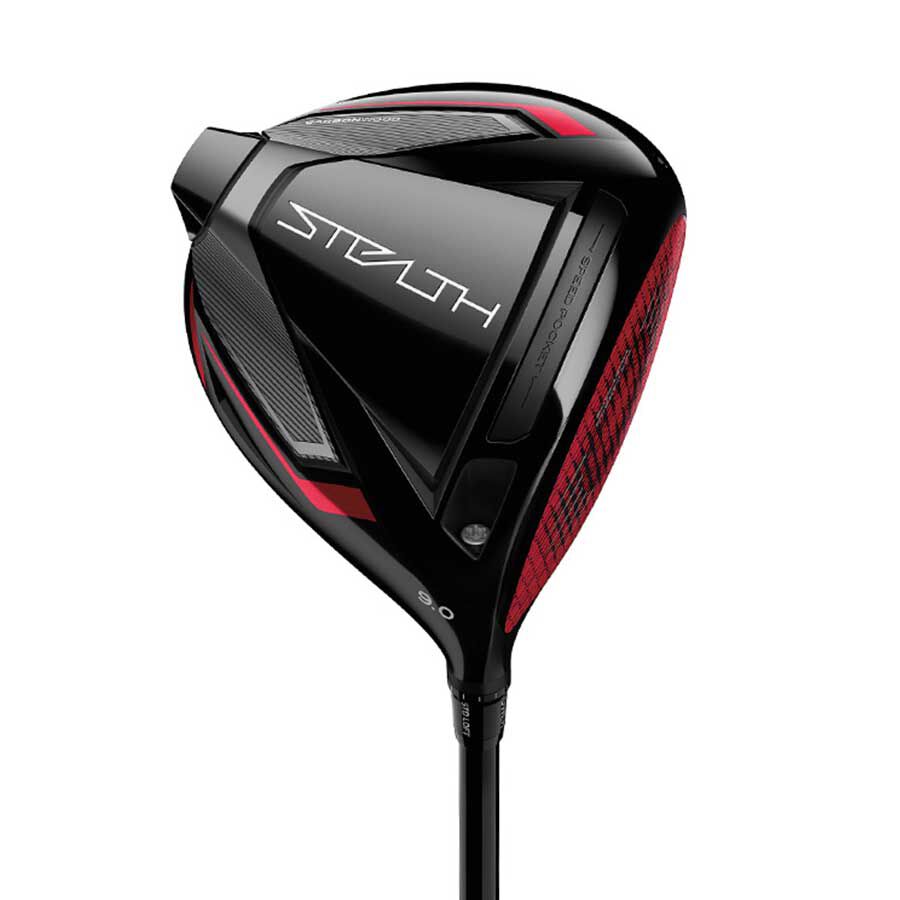
The Carbon Face Gamble
Titanium faces have a hard physical limit on how thin and light they can be made before they fail under repeated impact. TaylorMade's answer was to stop using titanium at all for the face: the 60X Carbon Twist Face uses sixty layers of carbon fiber, arranged to manage energy transfer across a face that is 44 percent lighter than an equivalent titanium face would be. That saved weight did not disappear; it moved into perimeter weighting and a larger overall face, which is why the Stealth's face measures roughly 11 percent larger than the SIM2's and about 20 percent larger than the original SIM's.
This was a genuine engineering risk for TaylorMade, not a safe incremental release. A carbon face that underperformed on durability or sound would have been a real problem for the brand's flagship driver. Instead, testers consistently measured ball speed gains of 1 to 2 mph over the SIM2 generation, with some individual fittings seeing gains as high as 5 mph, and the driver won a gold medal on the 2022 Golf Digest Hot List.
Sound and Feel: The Trade-off Nobody Talks About
What carbon-face skeptics were actually worried about in 2022 was sound, not performance, and it is a fair thing to flag honestly rather than gloss over. The Stealth's impact sound is noticeably different from a titanium driver: slightly duller and less sharp, a direct consequence of carbon fiber's different acoustic properties. Whether that reads as a downgrade is genuinely subjective; some golfers who grew up on a crisp titanium crack find it takes real time to adjust, while others do not notice it at all once they see the ball speed numbers. It is worth hitting one before buying if sound and feel matter to your decision, since it is the one area where the Stealth is a real departure rather than a strict improvement.
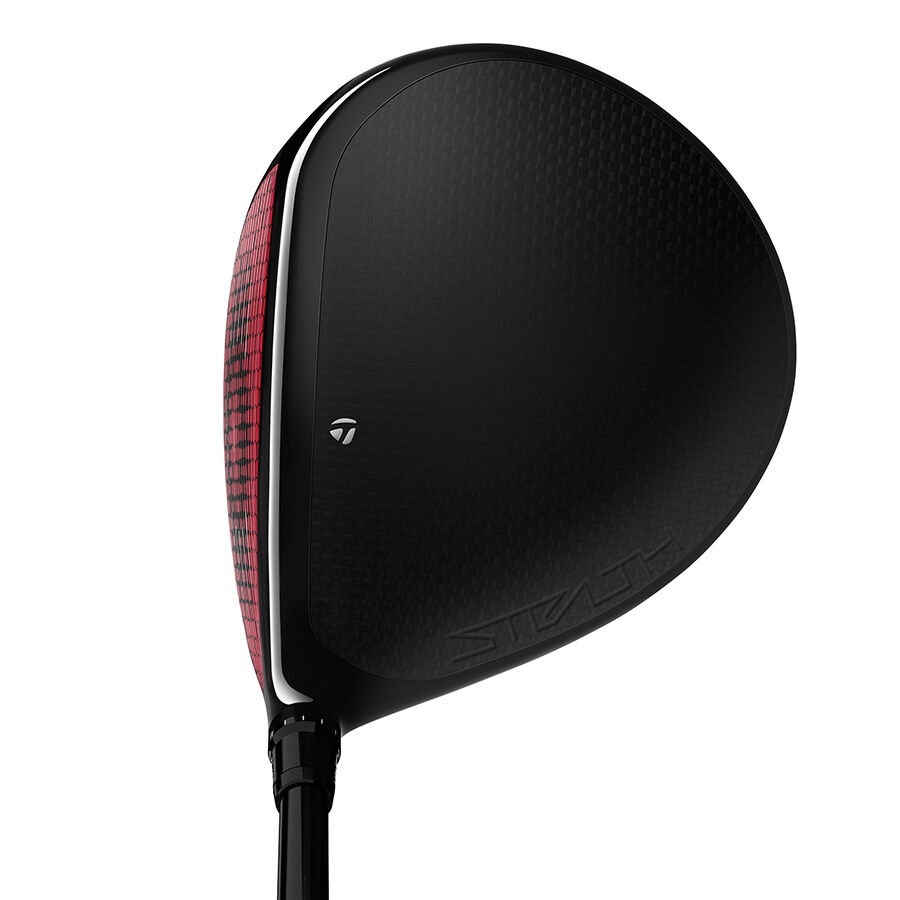
Stealth vs. SIM2: What Actually Changed
The SIM2, the titanium driver the Stealth directly replaced, was already a well-regarded, forgiving head; TaylorMade was not fixing a broken product. The difference the carbon face made was mostly about where weight could go, not about fixing a weakness in the SIM2's performance. Because the Stealth's face weighed roughly 44 percent less than an equivalent titanium face, TaylorMade moved that saved mass to the perimeter and used the freed-up space to grow the face itself, about 11 percent larger than the SIM2's. The result measured in testing as a genuine 1 to 2 mph ball speed gain on average, with the largest gains showing up on the mishits the SIM2 already handled reasonably well, meaning the real-world benefit was concentrated exactly where a recreational golfer needs it most.
Rating the Stealth by 2026 Standards
| Rating Metrics | Our Rating |
|---|---|
| Distance | 4.3/5 |
| Forgiveness | 4.4/5 |
| Playability / Adjustability | 4.2/5 |
| Looks | 4.0/5 |
| Sound and Feel | 3.6/5 |
Scored against 2026 driver standards. Sound and feel score lower only because carbon's acoustic signature is genuinely different from titanium, not because it is worse.
Pros
- Genuine ball speed gains over the prior titanium-faced generation, not marginal
- Larger face and repositioned weight meaningfully improve forgiveness
- Started a carbon-face lineage that has continued to improve through Qi10 and Qi4D
- Now available at a real discount on the used and clearance market
Cons
- Sound and feel are a genuine departure from titanium, not to every golfer's taste
- MOI is behind the later Qi10 and Qi4D generations that refined the same concept
- Stealth Plus's sliding weight track is more limited than later dual-track systems
Is the Original Stealth Still Worth Buying
As a value pickup, yes, particularly against a Qi4D at full price. The gap in actual on-course performance between the original Stealth and TaylorMade's current flagship is smaller than the gap in price on the used market, since the core carbon-face concept has been refined rather than reinvented since 2022. The sound difference from titanium is the one thing worth testing in person before committing, since it is the single most polarizing aspect of the whole Stealth generation.
Frequently Asked Questions
Is the TaylorMade Stealth driver still worth buying in 2026?
Yes, as a value option. The core carbon-face technology has been refined rather than replaced in the Qi10 and Qi4D generations, so the performance gap is smaller than the price gap, especially on the used market. The main consideration is sound and feel, which are noticeably different from a titanium driver.
What is the 60X Carbon Twist Face?
A driver face built from 60 layers of carbon fiber instead of titanium. It is roughly 44 percent lighter than an equivalent titanium face, which lets TaylorMade build a larger face and reposition the saved weight for higher MOI and forgiveness.
What is the difference between Stealth, Stealth Plus, and Stealth HD?
Stealth is the standard forgiveness-focused model. Stealth Plus adds a sliding weight track for shot-shape adjustability and lower spin, aimed at better players. Stealth HD is a higher-launch, higher-forgiveness variant built for slower swing speeds and higher handicaps.