
Why One Weight Beat Three
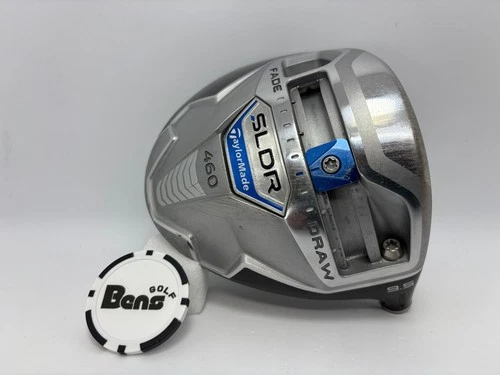
TaylorMade's R1, the driver right before the SLDR, used three separate movable weights to fine-tune draw and fade bias, a system that gave golfers a lot of combinations but diluted the effect of any single adjustment. The SLDR replaced all three with one 20-gram weight that slides along a rail from heel to toe, and that single weight produces more than double the CG influence the R1's three-weight system offered. It sounds like a simplification, and in terms of user experience it was, but the actual physics behind it were a genuine improvement, not just a cleaner interface on the same idea.
The bigger change was structural: SLDR moved the CG lower and further forward in the head than any previous TaylorMade driver, which combined with the sliding weight to produce faster ball speed, higher launch, and lower spin than the R1 in independent testing at the time, with average carry distance moving from roughly 268 to 274 yards in reviewer testing.
Setting Up Your Shot Shape
The sliding weight is genuinely simple to use in a way a lot of adjustable systems from this era were not. Sliding the weight toward the heel promotes a draw bias by shifting CG closer to the shaft; sliding it toward the toe does the opposite for a fade bias. Combined with the 12-position loft sleeve, a fitter or a motivated DIY golfer can meaningfully shape both launch and shot curvature without needing a full club-fitting session, which is part of why the SLDR remained a popular retrofit purchase well after newer models replaced it on shelves.
SLDR vs. R1: The Direct Comparison
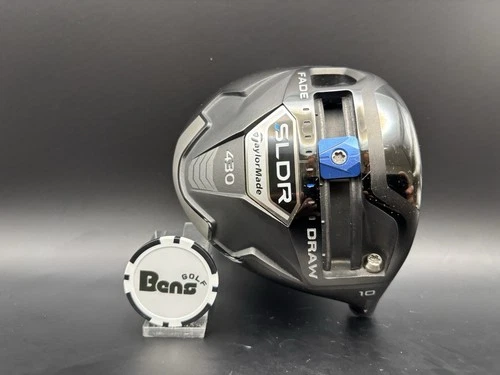
The R1, which the SLDR replaced, used three separate movable weights (front, back, and a heel-toe track) to let golfers combine adjustments in different ways. It was flexible on paper, but in practice most golfers either left the weights in a neutral setup or made changes without a clear sense of which weight was doing what. The SLDR's single weight is easier to understand because there is only one variable to reason about, and TaylorMade's own testing found it produced more than double the CG shift per gram than the R1's system managed with three separate weights. The lower, more forward CG on top of that single-weight simplicity is why reviewers consistently measured real gains, average carry moving from about 268 to 274 yards, rather than the marginal, hard-to-isolate gains a more complex system often produces.
Rating the SLDR by 2026 Standards
| Rating Metrics | Our Rating |
|---|---|
| Distance | 3.6/5 |
| Forgiveness | 3.7/5 |
| Playability / Adjustability | 4.0/5 |
| Looks | 3.7/5 |
| Sound and Feel | 3.8/5 |
Scored against 2026 driver standards. Adjustability is the standout category; the sliding weight and loft sleeve still function exactly as designed.
Pros
- Single sliding weight is simpler and more effective than the R1's three-weight system
- Low, forward CG genuinely produces faster ball speed and lower spin
- Loft sleeve and weight adjustability remain fully functional and useful today
- Widely regarded as one of the better-performing drivers of its generation, not just a budget pick
Cons
- MOI and off-center forgiveness are behind current drivers by a meaningful margin
- Only one axis of weight adjustment (heel-to-toe), unlike later multi-track systems
- Popularity on the used market means well-worn examples are common; face wear matters
How It Holds Up Against Modern Adjustable Drivers
Against a current driver like the Qi10 or GT3, the SLDR gives up meaningful MOI and forgiveness on mishits, which is expected after a decade of face and perimeter weighting development. What it does not give up is functional adjustability; the loft sleeve and sliding weight work exactly as designed and still let a golfer meaningfully tune shot shape, which is more than can be said for some drivers from the same era that have not aged as usefully.
Frequently Asked Questions
Is the TaylorMade SLDR still a good driver in 2026?
Yes, particularly as a value option. It gives up MOI and forgiveness to current drivers, but the sliding weight and loft sleeve still function fully and let a golfer meaningfully adjust shot shape and launch, which many budget-era drivers from the same period cannot offer.
How does the SLDR sliding weight work?
A single 20-gram weight slides along a rail from the heel to the toe of the sole. Moving it toward the heel shifts the center of gravity closer to the shaft for a draw bias; moving it toward the toe does the opposite for a fade bias.
What replaced the TaylorMade SLDR driver?
TaylorMade followed the SLDR with the R15, which added a second, shorter weight track for more combined adjustability, continuing the movable-weight approach the SLDR had simplified and popularized.