
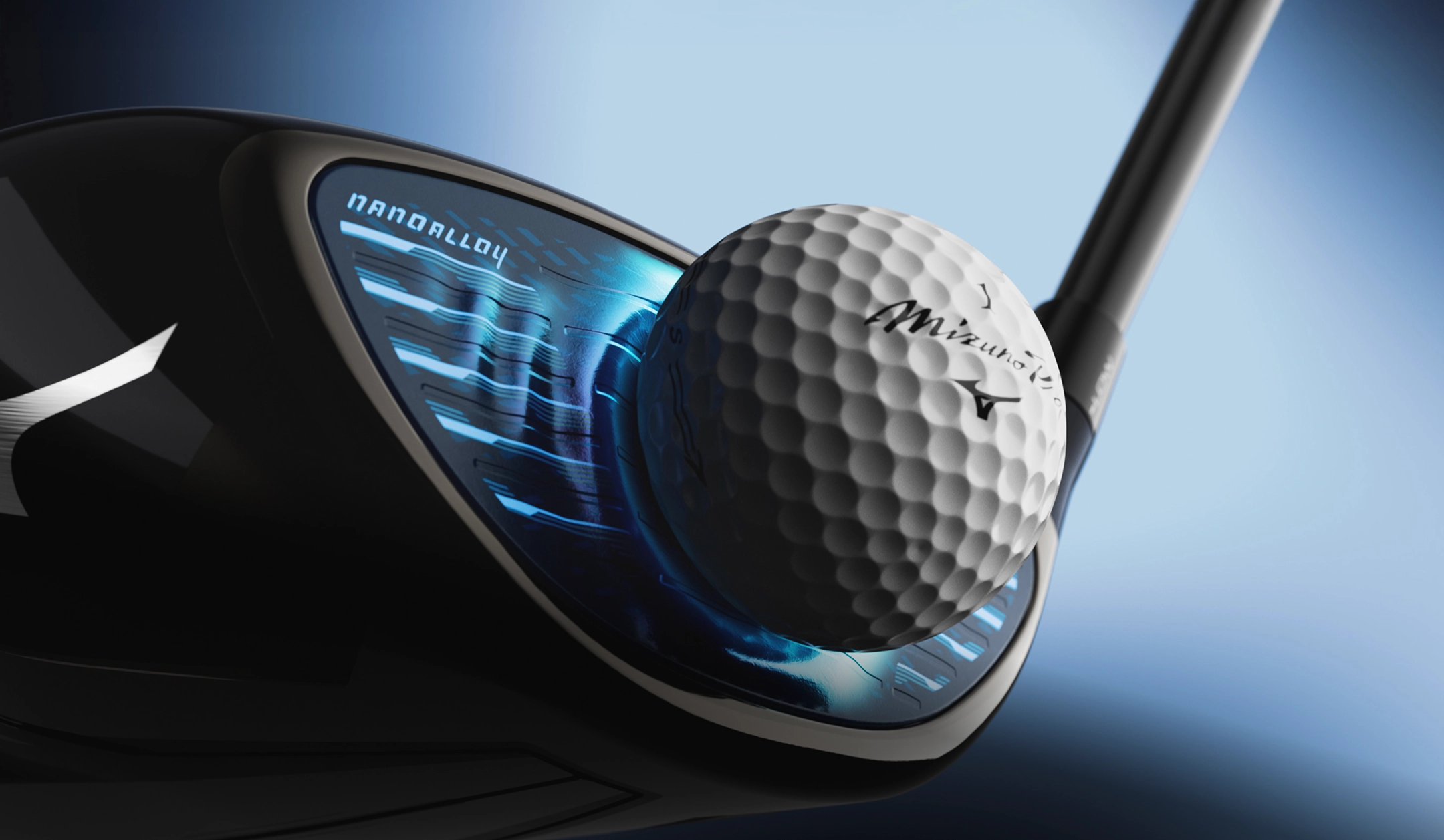
Look, Sound and Feel
This is the one area where testing was genuinely split. The blue color scheme reads as distinctive and attractive against the mostly black-and-white driver market, but at least one independent tester described the impact sound as "thin and harsh," a "plasticky crack" lacking resonance, and found the feel similarly underwhelming. If sound and feel matter a lot to your buying decision, try to hit this one before you commit, rather than buying on spec sheet alone.
Pros
- Genuinely novel NANOALLOY face technology, not just a rebrand of existing tech
- Strong forgiveness across off-center strikes
- Confidence-inspiring, straight-flying ball flight
- Robotic testing showed higher ball speed and longer carry versus the previous JPX generation
- Distinctive, attractive styling
Cons
- Sound and feel were a genuine sticking point in independent testing, described as thin, harsh, and "plasticky"
- No standout ball speed advantage in real-world testing versus top competitors, despite the new face material
- Lower spin numbers may leave slower swing speeds (under ~95 mph) under-launched
- Composite face construction may need extra care to avoid debris-related damage
Who Should Use the JPX ONE?
- Golfers who prioritize forgiveness and a stable, straight ball flight over feel and acoustics.
- Players with swing speeds at or above roughly 95 mph, who won't run into the driver's lower spin ceiling.
- Anyone curious about genuinely new face material technology rather than an incremental update.
Suitability by handicap
| High handicap golfers | Yes |
| Mid handicap golfers | Yes |
| Low handicap golfers | Worth a hit test first: check the JPX ONE Select for a more tour-inspired shape |
Features and Benefits
NANOALLOY Face
Mizuno's core engineering claim: a microscopic polymer dispersion lets the face dynamically change elasticity at the instant of impact, reducing frictional energy loss and extending ball speed gains across a wider area of the face than a fixed-property titanium face can manage.
460cc Stable Shape
The standard JPX ONE uses a slightly larger profile than the tour-inspired JPX ONE Select, deliberately maximizing stability and promoting a straighter ball flight for a broader range of golfers.
Adjustable Lie Range
A 59°–62° lie adjustment range gives fitters real room to dial in ball flight direction independent of loft.
Conclusion
The JPX ONE is a genuinely interesting technical story, a real material innovation, not a rebadge, and the forgiveness and stability claims hold up in both robotic and independent testing. Where it's more of a mixed bag is sound and feel, which at least one respected independent reviewer found flatly unpleasant. If you value performance numbers over acoustics, it's a legitimate driver to consider; if feel is a dealbreaker for you, test it in person before you buy.